Real Estate safety compliance is a strategic imperative involving risk assessment, regulation adherence (e.g., OSHA, ASCE), and proactive maintenance to prevent fines, legal issues, and enhance tenant satisfaction. Implementing modern safety technologies, regular inspections, emergency preparedness, and staff training creates secure environments, fostering tenant well-being and property value. Regular maintenance, aligned with best practices and local regulations, is vital for long-term compliance, cost avoidance, and positive reputation.
Maintaining facilities to meet safety compliance is a paramount concern in the real estate sector, where ensuring the well-being of occupants and stakeholders is non-negotiable. The challenge lies in navigating complex regulatory landscapes and implementing robust safety measures without compromising operational efficiency or financial stability. This article delves into strategies and best practices for real estate professionals to effectively manage facility safety, foster a culture of compliance, and mitigate risks across diverse property types. By exploring proven solutions, we aim to empower industry experts with the knowledge to prioritize safety without sacrificing profitability.
Assess Risks and Regulatory Requirements in Real Estate

Maintaining facilities to meet safety compliance is an integral part of responsible real estate management. In the real estate sector, assessing risks and understanding regulatory requirements are critical components of facility maintenance. This involves a comprehensive evaluation of potential hazards and adherence to local, state, and federal regulations. For instance, in the United States, the Occupational Safety and Health Administration (OSHA) sets standards for workplace safety, while the American Society of Civil Engineers (ASCE) provides guidelines for structural integrity. In Europe, the Construction Products Regulation (CPR) ensures the safety of construction materials, and the Pressure Equipment Directive (PED) governs equipment designed to contain pressure.
Real estate professionals must conduct thorough risk assessments to identify potential safety issues within their properties. This includes structural integrity checks, fire safety inspections, and accessibility assessments. For commercial properties, evaluating the risk of fire, natural disasters, and security threats is essential. For instance, a high-rise office building should have robust fire suppression systems and emergency evacuation plans. Similarly, residential properties require regular maintenance to ensure safe living conditions, such as properly maintained electrical systems and functional smoke detectors. Regular inspections and maintenance schedules are key to addressing potential issues before they escalate.
Compliance with regulatory requirements is not just a legal obligation but also a strategic decision for real estate investors and managers. Non-compliance can result in significant fines, legal liabilities, and damage to reputation. By proactively addressing safety concerns, real estate professionals can enhance tenant and customer satisfaction, reduce insurance costs, and minimize the risk of accidents. Implementing safety measures, such as installing modern fire alarms, improving lighting in common areas, and providing clear emergency exit signage, demonstrates a commitment to tenant well-being and can be a competitive advantage in the market.
Implement Safety Features: A Comprehensive Guide
In the real estate sector, ensuring safety compliance is not just a regulatory requirement; it’s a cornerstone of responsible property management. When implementing safety features, a comprehensive approach is essential to address potential risks and create secure environments. This involves a meticulous process of assessment, planning, and execution, tailored to each facility’s unique characteristics. By integrating cutting-edge technologies and proven strategies, property owners and managers can significantly enhance safety without compromising aesthetics or functionality.
A practical first step is conducting a thorough risk assessment, identifying potential hazards, and prioritizing mitigation efforts. For instance, installing modern fire detection and suppression systems, especially in high-rise buildings or areas with high fire risks, can be life-saving. Additionally, implementing access control mechanisms, such as biometric scanners or smart locks, strengthens security, preventing unauthorized access. In commercial real estate, where large numbers of occupants are present, emergency evacuation drills and advanced communication systems are crucial. Regular maintenance and testing of these features are paramount to guarantee their reliability during critical situations.
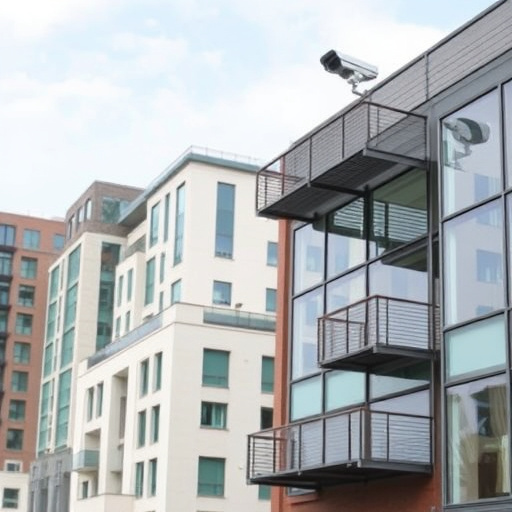
Furthermore, leveraging advanced surveillance systems, including high-definition cameras with motion detection, can deter crimes and facilitate quick response times. Integrating these systems with centralized monitoring stations enhances security, especially in larger properties. Moreover, investing in robust building infrastructure, such as reinforced structures and impact-resistant windows, offers additional protection against natural disasters and potential threats. By combining these safety features with regular training for staff and occupants, real estate professionals can create a culture of safety, ensuring compliance while fostering a secure and peaceful environment.
Regular Maintenance: Ensuring Long-Term Compliance

Regular maintenance is a cornerstone of real estate management, playing a pivotal role in ensuring long-term compliance with safety standards. Facilities, over time, naturally degrade, presenting a constant challenge for property owners and managers to address. A proactive approach, grounded in routine inspections and preventative measures, is key to mitigating risks and avoiding costly compliance breaches. Data from industry reports consistently highlights the financial and reputational repercussions of neglecting facility maintenance, with non-compliance leading to severe legal consequences and damage to a property’s market value.
Consider a case study of an aging apartment complex where regular maintenance was overlooked. Over a period of several years, critical systems like fire alarms and emergency exits fell into disrepair. When a compliance inspection finally occurred, the complex was found to be in violation of numerous safety codes, resulting in substantial fines and a black mark on its reputation. In stark contrast, a well-managed property that invests in regular maintenance can anticipate and address issues before they escalate, fostering an environment that attracts tenants and reduces insurance costs.
Implementing an effective maintenance strategy involves several actionable steps. First, develop a comprehensive facility maintenance plan aligned with industry best practices and local safety regulations. This plan should include regular inspections, preventative upkeep, and documented evidence of maintenance activities. Second, invest in qualified personnel or partnerships with experienced maintenance providers to ensure work is performed to a high standard. Lastly, foster a culture of proactive maintenance within the organization, encouraging tenants to report issues promptly and promoting open communication about maintenance needs. By embracing these practices, real estate professionals can safeguard their assets, protect tenants, and maintain compliance in an ever-evolving regulatory landscape.