
Real Estate strategy combines market analysis, physical evaluation, and location intelligence for informed decision-making. Balanced occupancy strategies in office, retail, and industrial sectors leverage market insights, smart technologies, and community engagement. Space optimization through design, leasing, and technology enhances flexibility, reduces costs, and maximizes utilization. Long-term planning, including smart building and sustainable design, ensures continuous optimization and industry leadership.
In the dynamic landscape of real estate, effectively overseeing office, retail, and industrial spaces is paramount for maximizing return on investment and ensuring operational efficiency. However, managing these diverse assets presents significant challenges, from tenant relations to facility maintenance. This article delves into the intricate art of overseeing these spaces, exploring proven strategies and best practices that cater to the unique needs of each sector. By the end, you’ll gain invaluable insights into navigating the complexities of real estate management, fostering thriving environments that drive success and generate substantial value.
Assessing Property: Essential Real Estate Considerations

Assessing real estate is a complex yet critical task for any business aiming to excel in the property management realm. When overseeing office, retail, or industrial spaces, a thorough evaluation of the property becomes the cornerstone of strategic decision-making. This process involves a multifaceted approach, considering various factors that can impact the long-term success and profitability of the investment.
The initial step is to conduct a comprehensive market analysis, studying local trends and comparables. For instance, evaluating rental rates, vacancy levels, and occupancy trends in the specific area can provide a clear picture of the property’s competitive positioning. Data-driven insights enable informed decisions regarding pricing strategies, lease terms, and potential value-add opportunities. Additionally, assessing the physical condition of the space is paramount. This includes examining the structural integrity, infrastructure, and overall maintenance, ensuring they align with the property’s intended use. For industrial properties, for example, the availability of loading docks, parking, and proximity to transportation hubs could be deal-breakers.
Furthermore, location is a pivotal aspect that cannot be overstated. The accessibility and visibility of a property greatly influence its appeal to potential tenants or buyers. Being within proximity to commercial hubs, public transportation, or major thoroughfares can significantly enhance the real estate’s desirability and marketability. For retail spaces, foot traffic and the local demographic play a pivotal role in determining the property’s profitability. Experts suggest that understanding the micro- and macroeconomic factors at play is essential for making sound real estate choices, ensuring long-term sustainability and a robust return on investment.
Strategizing Occupancy: Balancing Office, Retail, Industrial
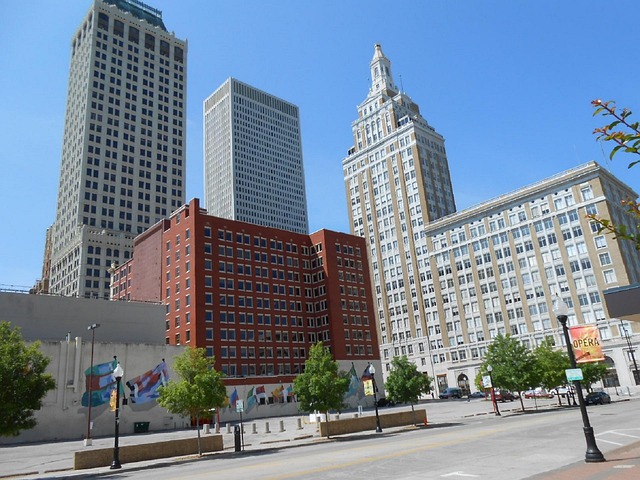
Strategizing occupancy across office, retail, and industrial spaces is a nuanced art that requires a delicate balance, especially in today’s dynamic real estate landscape. This multifaceted approach demands a deep understanding of market trends, tenant needs, and strategic planning to maximize space utilization and revenue. For instance, a successful mixed-use development seamlessly integrates these sectors by offering flexible office spaces alongside vibrant retail hubs and modern industrial facilities, catering to diverse businesses.
A key strategy involves segmenting spaces to accommodate varying business models. Office spaces can be tailored for tech startups seeking collaborative environments versus established corporations requiring extensive floor plans. Retail areas should cater to both local boutiques and national brands, ensuring a diverse tenant mix that attracts a broader customer base. In industrial sectors, the focus might shift to efficient warehouse designs for e-commerce fulfillment centers or flexible manufacturing units for specialized artisans. For instance, data from global real estate firm JLL indicates that mixed-use developments are gaining traction, with 75% of respondents favoring these versatile spaces due to their adaptability and cost-effectiveness.
Expert advice emphasizes the importance of location and connectivity. Strategic positioning near transportation hubs or in emerging business districts can significantly impact occupancy rates. Integrating smart building technologies enhances flexibility, allowing for space optimization and reduced operational costs. For example, implementing automated lighting systems, intelligent thermostats, and flexible lease terms can attract tech-savvy tenants. Additionally, fostering community engagement through shared amenities, such as co-working lounges or event spaces, encourages collaboration and retention. Ultimately, a well-planned, diverse portfolio of office, retail, and industrial spaces is not just a real estate strategy but a dynamic ecosystem that adapts to market demands.
Optimizing Space: Design, Lease, Manage Effectively

Optimizing space within office, retail, and industrial settings is a multifaceted challenge that demands a strategic approach, drawing on insights from real estate experts and successful property management. The design phase plays a pivotal role; creating flexible layouts using modular partitions allows for adaptable spaces catering to evolving business needs. For instance, open-plan offices can be seamlessly transformed into private meeting rooms or collaborative hubs through clever partitioning, enhancing work environment versatility.
Leasing strategies are equally critical. Balancing tenant demands with real estate market dynamics involves offering customizable lease terms and flexible rent structures. This approach attracts a broader range of clients, ensuring optimal occupancy rates. Data from industry leaders suggests that flexibleness in leasing conditions can increase space utilization by up to 20%, significantly boosting profitability. Effective management includes regular space audits to assess utilization patterns and identify areas for improvement, whether through reconfiguration or technology integration.
Real estate professionals emphasize the importance of long-term planning. Anticipating future market trends and technological advancements allows for proactive space optimization. For example, embracing smart building technologies can enhance energy efficiency while providing valuable data for better space allocation. Implementing sustainable design principles not only reduces operational costs but also appeals to environmentally conscious tenants, fostering a positive image in the real estate market. Ultimately, successful optimization requires continuous evaluation and adaptation to stay ahead of industry shifts.