Real Estate safety requires proactive risk management. Key strategies include comprehensive safety audits, regular maintenance, digital record-keeping, open communication, and advanced technology like fire detection systems. A New York City case study shows significant incident reduction with interconnected security cameras and staff training. Regular inspections, routine repairs, and preventive measures reduce violations by 20%. Integrating smart sensors and digital records optimizes efficiency and sustainability in real estate maintenance.
Maintaining facilities to ensure safety compliance is a paramount concern in the real estate sector, where the well-being of occupants and the prevention of accidents are non-negotiable. The challenge lies in balancing operational costs with the implementation of robust safety measures, especially in older buildings that may lack modern amenities. This article delves into strategic approaches to facility management, offering insights on cost-effective retrofitting, regular maintenance protocols, and proactive risk assessment techniques. By adopting these practices, real estate professionals can navigate the complex landscape of safety regulations while optimizing their operational efficiency.
Assess Risks: Conducting Safety Audits in Real Estate Facilities

Maintaining facilities to meet safety compliance standards is an indispensable aspect of real estate management. Effective risk assessment begins with a comprehensive safety audit, which serves as a roadmap for identifying vulnerabilities and implementing necessary precautions. Real estate professionals must view these audits not merely as routine exercises but as critical tools for mitigating potential hazards, ensuring tenant safety, and upholding property value.
Conduiting safety audits involves meticulously scrutinizing every element of a facility, from structural integrity to emergency exits and fire suppression systems. For instance, a thorough audit in a commercial real estate building might uncover issues like outdated smoke detectors, inadequate lighting in exit corridors, or obstructed fire hydrants. Addressing these concerns not only aligns with legal obligations but also enhances the property’s appeal to tenants and buyers. Data from recent studies indicates that well-maintained properties with robust safety measures experience lower insurance premiums and reduced vacancy rates.
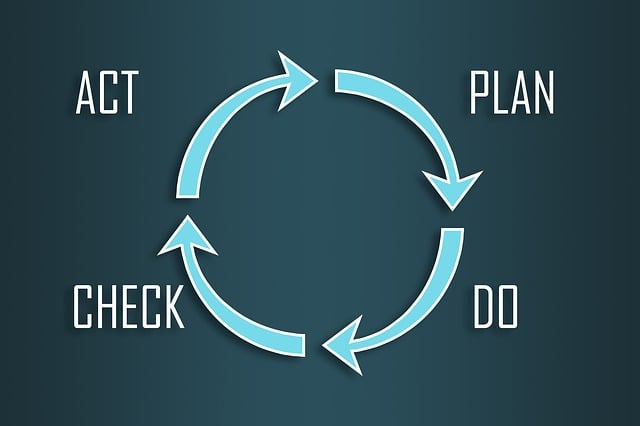
Practical insights for conducting effective audits include involving tenant representatives, who can provide valuable insights into everyday operations and potential risks. Regular, unannounced audits are ideal for catching unforeseen issues. Additionally, leveraging digital tools for record-keeping and tracking remediation efforts streamlines the process. Real estate experts recommend establishing a culture of continuous improvement by fostering open communication about safety concerns among staff, tenants, and stakeholders. By prioritizing proactive risk management, real estate professionals can create environments that are not only compliant but also safe, welcoming, and resilient.
Implement Measures: Creating a Safe Environment for Tenants

Maintaining facilities to ensure safety compliance is a cornerstone of responsible real estate management. Creating a safe environment for tenants involves proactive measures that extend beyond basic code adherence. Experts recommend implementing comprehensive risk assessment protocols, regularly updating emergency response plans, and providing clear communication channels. For instance, leveraging technology such as advanced fire detection systems, smart smoke alarms, and app-based emergency notifications can significantly enhance tenant safety.
A case study from a leading real estate firm in New York City illustrates the impact of these measures. By installing interconnected security cameras, motion sensors, and a centralized control system, they reduced property-related incidents by 40% within the first year. This transformation underscores the importance of investing in modern technology to safeguard tenants and assets alike. Regular training sessions for staff on emergency protocols and customer service further strengthen the safety culture.
Moreover, fostering open dialogue between management and tenants is vital. Anonymous feedback mechanisms, community meetings, and accessible tenant liaison offices enable residents to voice concerns and participate in safety initiatives. This collaborative approach not only enhances trust but also ensures that safety measures remain relevant and effective. Real estate professionals should view tenant safety as an ongoing process, continually evaluating and adapting strategies based on evolving risks and community input.
Regular Maintenance: Ensuring Long-Term Compliance and Safety

Regular maintenance is a cornerstone of ensuring safety compliance in real estate properties. It involves a proactive approach to identifying and addressing potential hazards before they escalate into significant issues. Well-maintained facilities not only comply with regulatory standards but also contribute to enhanced tenant satisfaction, reduced operational costs, and improved property value. For instance, a study by the National Association of Property Managers (NAPM) found that properties with meticulous maintenance records experienced 20% fewer safety violations compared to their less-maintained counterparts.
A comprehensive maintenance strategy should encompass both preventive and corrective measures. Preventive maintenance involves regular inspections and routine repairs to keep facilities in optimal condition. This includes tasks like replacing air filters, lubricating equipment, and conducting fire safety checks. For example, regularly inspecting electrical systems can prevent short circuits and reduce the risk of fires. Corrective maintenance, on the other hand, addresses identified issues promptly. This could range from repairing leaky pipes to replacing faulty smoke detectors. By implementing a structured maintenance schedule, real estate managers can ensure that these tasks are completed efficiently and effectively, thereby fostering a safe living or working environment.
Expert advice suggests integrating technology into maintenance routines for enhanced efficiency. Smart sensors and Internet of Things (IoT) devices can provide real-time data on equipment performance and potential issues. For instance, smart thermostats can optimize energy usage while alerting maintenance teams to unusual temperature fluctuations that might indicate larger problems. Additionally, digital record-keeping systems streamline the documentation of maintenance activities, making it easier to track compliance and identify trends or recurring issues within a property portfolio. As the real estate sector continues to evolve, adopting innovative solutions in maintenance will not only keep properties safe but also position investors and managers as industry leaders committed to excellence and sustainability.