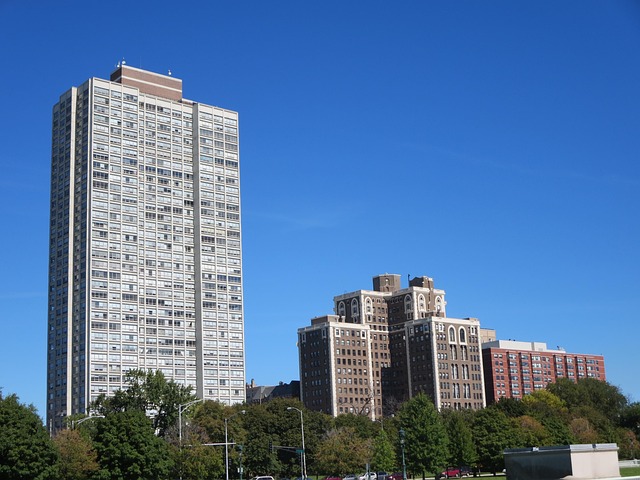
Real Estate professionals maximize property value through strategic planning, analyzing market trends, neighborhood dynamics, and property characteristics. This involves market research, expert consultation, data analytics, integrated planning, and regular adjustments. A holistic approach, combining renovations, community integration, and sustainable design, boosts appeal. Location and local regulations significantly impact property values. This strategic approach ensures properties stand out and command premium prices in a competitive market.
In today’s competitive real estate market, strategically enhancing property value is not just an advantage but a necessity. Understanding how to optimize assets is crucial for investors and developers alike, ensuring their properties stand out and command premium prices. This article delves into the art and science of strategic planning, revealing proven methods to boost property values. By exploring factors like location, market trends, and thoughtful design, professionals can navigate the complex landscape of real estate with confidence. We’ll provide actionable insights, ensuring readers emerge equipped to make informed decisions and achieve outstanding returns.
Assess Property Potential: Unlocking Hidden Value in Real Estate

Assessing a property’s potential is a cornerstone of enhancing its value through strategic planning in real estate. This involves looking beyond the surface to identify hidden opportunities and unique selling points. Experts recommend conducting a thorough analysis that encompasses market trends, neighborhood dynamics, and the property’s inherent characteristics. For instance, an older home in a desirable location might offer the chance for a modern renovation, increasing its appeal to contemporary buyers. Data from recent sales of comparable properties can provide valuable insights into what changes could yield the highest returns.
Consider the case of a historic building in a revitalizing urban area. While its age may seem like a disadvantage, it could be repositioned as a boutique commercial space catering to niche businesses, capitalizing on the area’s emerging cultural scene. This strategic pivot can transform a seemingly underperforming asset into a thriving hub for entrepreneurs and creative professionals. Similarly, assessing a property’s environmental factors, such as energy efficiency or green spaces nearby, can reveal avenues for improvement that appeal to today’s eco-conscious market.
Real estate professionals should also explore the potential for smart home technology integrations. Installing energy-efficient appliances, automated lighting, or advanced security systems not only adds convenience but significantly boosts a property’s appeal and resale value. Moreover, understanding the local regulations and incentives related to renewable energy adoption can further enhance these improvements’ viability. By thoroughly evaluating these aspects, real estate investors and developers can unlock hidden value, ensuring their properties stand out in a competitive market.
Strategic Planning: Crafting a Path to Maximum Property Value

Strategic planning is a cornerstone in enhancing property value, especially in the competitive real estate market. This involves a meticulous process of analysis, forecasting, and decision-making to ensure that properties are developed, maintained, or repositioned optimally. Experts suggest that a well-conceived strategy can increase property values by 15-30% or more, making it a crucial aspect for real estate investors and developers. For instance, a recent study by the National Association of Realtors revealed that properties with strong strategic planning, including thoughtful design and efficient use of space, sold at a premium compared to similarly situated but less strategically planned properties.
At the heart of strategic planning is understanding the local real estate market dynamics, such as demographic trends, economic indicators, and supply-demand imbalances. For example, a property in a rapidly growing tech hub might benefit from strategic adjustments to cater to the influx of young professionals, such as modernizing amenities or offering flexible lease terms. Conversely, a coastal property might focus on sustainable practices and ocean-facing features to capitalize on the growing demand for eco-friendly, beachside living. Real estate professionals should also consider the long-term outlook, adapting strategies to future market shifts and lifestyle trends.
Actionable advice for implementing strategic planning includes conducting thorough market research, consulting industry experts, and leveraging data analytics. Developing a comprehensive plan that integrates marketing, financial projections, and operational strategies is essential. Regular review and adjustment of the plan based on market feedback and changing circumstances ensure its relevance and effectiveness. Ultimately, strategic planning transforms properties into valuable assets, enhancing not only their monetary worth but also their appeal to potential buyers, tenants, or investors.
Implement and Optimize: Techniques to Boost Real Estate Worth

Strategic planning is a powerful tool for enhancing property value, especially in the dynamic real estate market. Implementing and optimizing various techniques can significantly boost the worth of a property, making it an attractive investment for owners and developers alike. One of the most effective strategies is to conduct a thorough analysis of the surrounding area, understanding market trends and identifying potential gaps. For instance, a property in a neighborhood with limited retail options can be transformed by proposing a mixed-use development, combining residential and commercial spaces, which adds immense value.
Expert planners often recommend a holistic approach, focusing on both the property’s physical attributes and its integration into the existing community. Renovating and modernizing outdated structures can increase their appeal, particularly in areas experiencing urban regeneration. A case in point is the revamping of industrial spaces into lofts or co-working spaces, which has been a trend in many cities, driving up real estate values. Additionally, optimizing natural light and incorporating sustainable design elements not only enhances the property’s aesthetics but also contributes to its overall desirability.
Location-based strategies are also pivotal. Properties with access to prominent landmarks, parks, or transportation hubs often command higher prices. Developers can capitalize on these advantages by creating unique amenities or designing architectural features that capitalize on the location. For example, a high-rise building with a panoramic view of a city skyline can attract premium prices. Furthermore, staying abreast of local regulations and zoning changes is crucial, as they can impact development potential and property values over time.