Tenant lease agreements in real estate define terms and expectations for landlords and tenants, ensuring mutual protection and satisfaction. Balancing tenant needs with strategic property improvements maximizes rental income and property values while fostering open communication during renewals or renovations enhances tenant retention and overall investment success.
In the dynamic world of real estate, efficiently managing tenant leases and improvements is key to success. This comprehensive guide delves into the intricacies of understanding tenant lease agreements, balancing the needs of both tenants and landlords regarding improvements, and fostering effective communication for seamless transitions. By mastering these strategies, real estate professionals can enhance tenant satisfaction and property value.
Understanding Tenant Lease Agreements

In the real estate sector, understanding tenant lease agreements is paramount for both landlords and tenants alike. These legal documents are the cornerstone of a successful rental relationship, outlining the rights, responsibilities, and expectations of each party. Lease agreements typically cover key aspects such as the rental term, monthly rent amount, payment due dates, and conditions for renewal or termination.
They also address improvements and alterations to the property. Tenants may have specific requests for modifications to make their rental space more comfortable or functional. Landlords, in turn, must consider these proposals against the cost of maintenance and potential resale value impacts. A clear understanding of lease terms ensures that both parties are protected and satisfied with the arrangement, fostering a harmonious coexistence throughout the tenure period.
Balancing Improvements and Maintenance

In the real estate world, balancing tenant leases and improvements is a delicate act. While regular maintenance ensures properties remain in top condition, making significant improvements can enhance property values and attract new tenants. However, not all upgrades are immediately necessary or cost-effective for every rental unit. Property managers must carefully assess which renovations to prioritize based on tenant needs, market trends, and long-term financial goals.
A strategic approach involves addressing essential maintenance items promptly to avoid costly repairs later. This includes routine checks of plumbing, electrical systems, and roofing. Simultaneously, setting aside a budget for strategic improvements can increase property desirability and potentially command higher rental rates. But it’s crucial to stay informed about local real estate dynamics; what constitutes a desirable upgrade may vary based on region and tenant demographics.
Effective Communication for Smooth Transitions
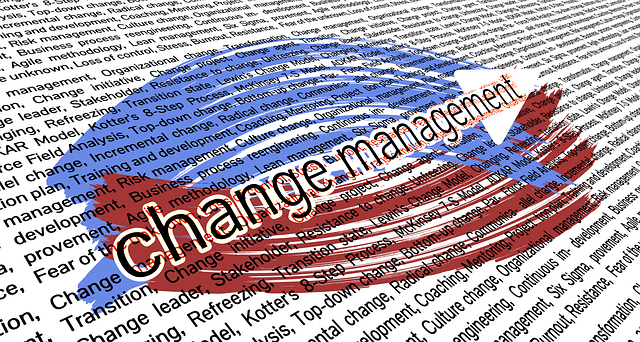
Effective communication is key to ensuring smooth transitions when handling tenant leases and improvements in the real estate sector. Regular, clear, and transparent conversations between landlords, property managers, and tenants can prevent misunderstandings and foster a collaborative environment. This is particularly crucial during lease renewals or when significant improvements are planned.
Tenants appreciate being kept in the loop about upcoming changes to their rental agreement or the property’s features. Similarly, landlords and property managers benefit from tenant feedback to make informed decisions about improvements that align with the community’s needs and preferences. Open dialogue enhances tenant satisfaction and builds trust, leading to longer-term leases and more successful real estate investments.